

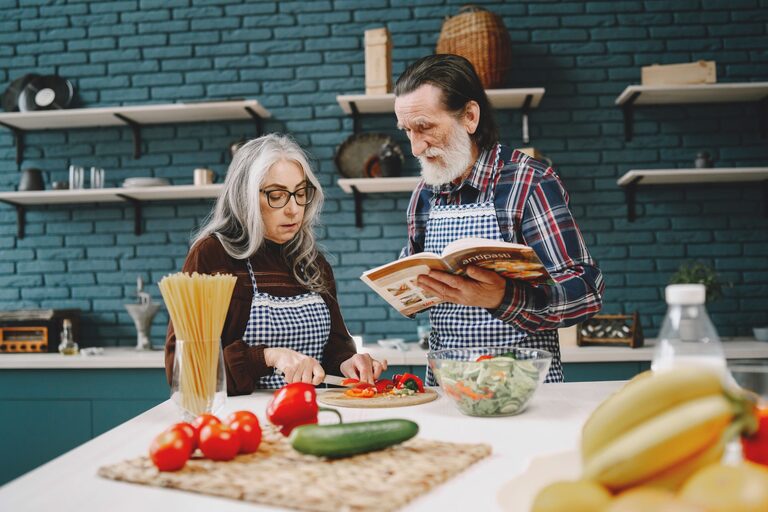
Across the country, senior cooking clubs are helping regional recipes find their way back to the table. These informal groups bring older adults together to cook, share stories, and pass along dishes that may not appear in modern cookbooks.
A recipe can be more than a list of ingredients and instructions. It may reflect a family’s history, a local harvest, or the cooking methods once used in a particular neighborhood. By gathering regularly, senior cooks are keeping those connections alive while making room for new friends and new ideas.
Why Regional Recipes Matter
Regional recipes often grow from the ingredients, climate, and traditions of a specific place. A coastal community may have a long history of seafood dishes, while an agricultural area may be known for seasonal vegetables, fruit preserves, or hearty grain-based meals.
Many of these recipes were passed down by memory rather than written measurement. A cook might add “a handful” of herbs, adjust seasoning by taste, or know that a dish is ready by its color and smell. This style of cooking can make recipes difficult to preserve, especially when younger family members have not had the chance to learn them.
Local cooking clubs create a place where these skills can be demonstrated and recorded. Members can explain not only what to do, but also why a certain step matters.
Food as a Record of Community Life
Regional cooking can reveal how people lived and worked. Recipes may show how families stretched available ingredients, prepared food for large gatherings, or used seasonal produce throughout the year.
A dish made for a holiday, harvest celebration, or community event may carry memories that are just as important as its flavor. When club members tell these stories, they add context that a standard recipe card cannot provide.
How Senior Cooking Clubs Work
Cooking clubs can take many forms. Some meet in community centers, libraries, churches, neighborhood kitchens, or members’ homes. Others partner with local schools, farmers markets, or cultural organizations.
A typical gathering may include:
– A short presentation about a regional dish
– A demonstration of traditional preparation methods
– Group cooking or small kitchen stations
– Time to share personal memories
– A meal where members taste the finished dishes
– Recipe writing, photographing, or recording
The structure does not need to be formal. Some clubs choose a theme for each meeting, such as winter soups, garden vegetables, holiday baking, or traditional breakfast foods. Others invite one member to lead each session and explain a favorite family recipe.
This flexible approach allows people with different cooking backgrounds to participate. Experienced cooks can demonstrate techniques, while beginners can help measure, prepare ingredients, or take notes.
Preserving Recipes Beyond Memory
One of the most valuable projects for a cooking club is creating a shared recipe collection. Members can contribute dishes, family stories, photographs, and notes about where each recipe originated.
A useful recipe archive might include:
- The recipe name and contributor
- The region or community associated with the dish
- A list of ingredients
- Step-by-step instructions
- Cooking time and serving suggestions
- Helpful notes about substitutions or common variations
- A short personal story or memory
Because older recipes often rely on approximate measurements, clubs can test the dishes together and add clearer instructions. For example, a recipe might originally call for “a moderate oven.” Members can record the oven temperature used during testing and note how the dish looked when finished.
The final collection can be printed as a small booklet, shared as a digital file, or donated to a local library. Some clubs display recipes at community events or create a public website where residents can contribute additional versions.
Bringing Younger Generations Into the Kitchen
Cooking clubs also provide a natural way to connect older adults with younger people. Intergenerational events can introduce children and teenagers to local foods while giving senior members an opportunity to share their knowledge.
A club might invite a school group to learn how to make bread, preserve fruit, prepare a seasonal soup, or create a traditional dessert. Younger participants can help with modern parts of the project, such as photographing dishes, designing recipe cards, or recording interviews.
These exchanges benefit both generations. Young people gain practical cooking experience and a better understanding of local history. Older adults can learn how younger cooks approach food, technology, and presentation.
The goal is not to preserve recipes exactly as they were made decades ago. Instead, the process can show how traditions change while keeping their central character.
Adapting Traditional Dishes for Today
Regional cooking traditions naturally evolve. Ingredients that were once common may be harder to find, and modern cooks may have different equipment, schedules, or preferences.
Cooking clubs can discuss ways to adapt older recipes without losing their identity. Possible changes include:
– Using ingredients that are available locally
– Adjusting serving sizes for smaller households
– Converting measurements into familiar units
– Offering vegetarian or allergy aware variations
– Reducing preparation steps when appropriate
– Using modern appliances while keeping traditional flavors
These adjustments can make recipes more practical for today’s kitchens. A slow-cooked dish, for example, may be prepared in a modern countertop appliance. A family recipe designed for a large gathering may be rewritten for four servings.
Members can preserve the original version alongside updated variations. This approach respects the history of the dish while making it easier for new cooks to enjoy.
Strengthening Community Connections
The value of a senior cooking club extends beyond the food itself. Regular meetings offer a welcoming reason for people to leave home, meet neighbors, and take part in a shared activity.
Cooking encourages conversation because members work side by side. People can discuss ingredients, compare techniques, and discover connections between their families or communities. A recipe that seems unique may turn out to have several local versions.
Clubs can also support nearby growers, bakeries, and small food producers by purchasing regional ingredients. Visiting a farmers market as a group or inviting a local producer to speak can add another layer to the program.
When clubs host public tastings or community meals, they make regional food traditions visible to a wider audience. These events can attract new members and encourage families to ask their own relatives about recipes that may be waiting to be rediscovered.
Starting a Local Cooking Club
A new club can begin with a small group and a simple plan. Organizers should choose an accessible meeting location, set a regular schedule, and identify a few members willing to lead early sessions.
It helps to begin with a clear theme, such as “recipes from our county” or “family dishes from the neighborhood.” Members can bring one recipe, ingredient, or story connected to that theme.
Before cooking, the group should discuss practical details, including kitchen equipment, ingredient costs, cleanup duties, and food safety guidelines. A shared list of responsibilities keeps meetings organized and makes participation easier.
The most important ingredient is curiosity. When people are willing to ask questions, listen to one another, and taste something new, a cooking club can become much more than a social gathering.
Keeping Tradition on the Table
Local senior cooking clubs show that food traditions remain active when people have opportunities to share them. Through demonstrations, conversations, recipe archives, and community meals, these groups help regional dishes move from memory back into everyday life.
Their work preserves more than flavors. It keeps stories, techniques, and local identity connected across generations. Whether a club meets in a busy community kitchen or around a small home table, each gathering adds another chapter to the living history of regional cooking.