

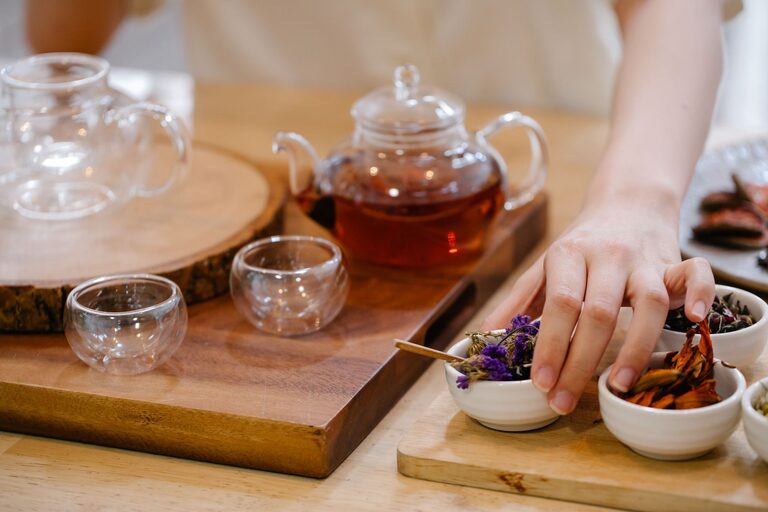
Tea tasting groups offer a simple and enjoyable way to meet people while exploring new flavors. Whether you are a longtime tea enthusiast or someone who usually reaches for the same familiar blend, joining a tasting group can make your hobby more social and rewarding.
These gatherings bring people together to sample different teas, compare impressions, and share conversation. The atmosphere is usually relaxed, making it easier to connect without the pressure of a formal networking event or a large party.
What Is a Tea Tasting Group?
A tea tasting group is a club or informal gathering where people sample and discuss several types of tea. Meetings may take place in a tea shop, community center, library, café, private home, or online.
Each session may focus on a particular theme, such as:
– Green teas from different regions
– Herbal blends
– Black teas
– Iced teas
– Tea and dessert pairings
– Seasonal flavors
– Traditional brewing methods
– Teas from a specific country
A host usually prepares the teas and provides basic information about each one. Participants taste the samples, describe what they notice, and discuss their preferences. No special training is required. The goal is to enjoy the experience and learn from one another.
Why Tea Tasting Makes Socializing Easier
Meeting new people can sometimes feel uncomfortable, especially when there is no clear topic to discuss. Tea tasting solves that problem by giving everyone a shared activity.
Instead of searching for an opening question, participants can talk about the tea in front of them. They might compare aromas, discuss sweetness, or share memories connected to a particular flavor. These small conversations often develop naturally into broader discussions about travel, cooking, books, gardening, or other interests.
Tea also creates a calm setting. Unlike a noisy party, a tasting event often encourages people to slow down and listen. The focus on small cups, thoughtful sampling, and conversation can help guests feel more comfortable.
A Welcoming Activity for Beginners
Some people avoid hobby groups because they assume they need expert knowledge. Tea tasting groups are often more welcoming than that. Most gatherings encourage curiosity rather than competition.
You do not need to know the difference between every tea variety or use specialized vocabulary. Simple observations are enough:
– “This tea has a light floral scent.”
– “I prefer the stronger flavor of the second sample.”
– “This reminds me of something I would drink with breakfast.”
– “I like this one better when it is slightly cooler.”
There are no incorrect personal preferences. Tasting is about noticing what you enjoy and learning how other people experience the same drink.
If you are new, you can begin by listening to the conversation and sharing your thoughts when you feel ready. A friendly group will make room for different levels of knowledge.
How Tea Tasting Groups Build Friendships
Friendships often grow through repeated, comfortable interactions. Tea tasting groups can provide that structure by meeting regularly, such as once a month or every few weeks.
Regular events allow people to recognize familiar faces and continue earlier conversations. Over time, members may begin arriving early to chat, exchanging recommendations, or making plans outside the group.
A tea tasting group can also attract people with different backgrounds and interests. The shared activity offers a common starting point, while the variety of personalities keeps conversations interesting.
Many groups extend their activities beyond formal tastings. Members might organize:
– Visits to local tea shops
– Afternoon tea events
– Cooking or baking exchanges
– Book discussions
– Garden tours
– Seasonal picnics
– Tea-themed gift swaps
These activities give members more opportunities to connect and turn casual acquaintances into lasting friends.
What to Expect at Your First Meeting
Every group has its own style, but a typical tea tasting may follow a simple format.
1. Welcome and introductions
The host may invite everyone to introduce themselves and share how they became interested in tea. This usually takes only a few minutes and helps create a friendly atmosphere.
2. Tea presentation
The host explains what the group will taste. You may hear about the tea’s origin, ingredients, preparation method, or flavor profile.
3. Sampling
Small portions are served so participants can taste several options. The group may sample the teas in a planned order, often beginning with lighter flavors and moving toward stronger ones.
4. Discussion
Guests share their observations and preferences. Some groups use tasting sheets, while others keep the discussion informal.
5. Social time
After the tasting, people often stay to continue talking. This can be the best time to ask questions, exchange contact information, or learn about future events.
Tips for Making Connections
Joining the group is the first step, but a few simple habits can help you feel more involved.
Ask open-ended questions
Questions such as “What kind of tea do you usually drink?” or “Which sample was your favorite?” invite people to share more than a one-word answer.
Share a little about yourself
You do not need to tell your entire life story. A short comment about your favorite morning drink, a memorable café visit, or a tea you would like to try can give others something to respond to.
Remember names and details
If someone mentions a favorite blend, travel destination, or hobby, try to remember it. Bringing it up at a later meeting shows genuine interest and helps build familiarity.
Attend more than once
The first meeting may feel slightly awkward because everyone is new to you. Returning for another session gives you a better chance to recognize people and develop comfortable conversations.
Offer to help
You might volunteer to bring snacks, arrange cups, or help welcome new guests. Small contributions can make you feel more connected to the group.
How to Find a Tea Tasting Group
Local tea shops are a good place to start. Many host tastings, workshops, or club meetings throughout the year. Community centers, libraries, cooking schools, and cultural organizations may also list tea-related events.
You can search local event calendars or community pages using terms such as “tea tasting,” “tea club,” or “tea meetup.” Some groups meet online and send participants a list of teas to purchase before a virtual session.
If you cannot find a group nearby, consider starting one. Invite a few friends, choose three or four teas, and create a relaxed format. A small gathering can grow naturally as guests invite others.
A Small Cup Can Open a Big Conversation
Tea tasting groups combine a shared interest with an easy social setting. They give people something to do, something to discuss, and a reason to meet again.
Whether you join an established club or organize a casual gathering at home, the experience can introduce you to new flavors and new friends. A warm cup of tea may be small, but it can create a welcoming space for conversation, curiosity, and community.