

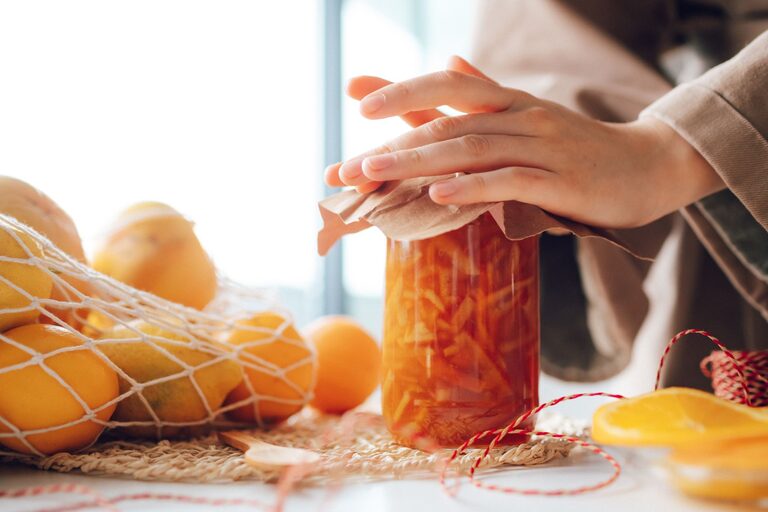
Summer fruit preservation is becoming a favorite kitchen project for many older cooks. When gardens, farmers markets, and roadside stands offer peaches, berries, cherries, plums, and tomatoes at their best, preserving makes it possible to enjoy those flavors long after the season ends.
For some people, the appeal is practical. Preserved fruit can stretch a harvest, reduce waste, and provide ready-to-use ingredients for breakfasts, desserts, and family meals. For others, the process is connected to memory. A jar of peach preserves or a container of frozen blueberries may recall a family kitchen, a longtime recipe, or summers spent picking fruit.
Today, preserving can be as simple or traditional as a cook prefers. Some methods require special equipment, while others call for little more than a baking sheet, freezer containers, or a large pot. The result is the same: a small supply of summer flavor saved for another day.
Why fruit preservation remains popular
Preserving fruit combines usefulness with creativity. A cook can choose a familiar method or try something new without changing the basic ingredients.
Several features make the project especially appealing:
– It reduces food waste. Extra fruit can be saved instead of being forgotten in the refrigerator.
– It captures seasonal flavor. Fruit picked at its peak often tastes better than fruit stored for a long time.
– It supports household planning. Preserved fruit can be used for quick meals and simple desserts.
– It encourages sharing. Jars and containers make thoughtful gifts for friends, neighbors, and family members.
– It keeps traditions active. Older recipes can be prepared, adjusted, and passed to a new generation.
Preserving also offers a welcome change of pace. Preparing fruit requires attention, but many steps are steady and familiar. Washing, sorting, slicing, stirring, and labeling can turn a busy harvest into an enjoyable afternoon project.
Choosing the right fruit
Good preservation begins with sound, ripe fruit. Fruit should be mature and flavorful, but not overripe or damaged. Soft spots, mold, and bruises can affect the quality of the finished product.
When shopping or harvesting, look for:
– Fruit with a pleasant aroma
– Even color and firm texture
– Produce that is free from mold and major bruising
– Fruit that is ready to use within a day or two
Different fruits work well with different methods. Berries are often frozen or cooked into sauces and jams. Peaches, plums, and apricots can be canned, dried, frozen, or turned into fruit butter. Apples are useful for applesauce, slices, and spiced preserves.
It is also helpful to plan quantities before buying a large amount. A smaller batch is often easier to manage, especially for cooks who are preserving alone or trying a method for the first time.
Simple ways to preserve summer fruit
There is no single best preservation method. The right choice depends on the fruit, available space, equipment, and the way the cook expects to use it later.
Freezing
Freezing is one of the easiest methods for beginners. Many fruits can be washed, dried, portioned, and placed in freezer-safe containers or bags.
For the best results:
- Sort and rinse the fruit according to its needs.
- Dry it thoroughly to reduce excess ice.
- Remove stems, pits, or cores when appropriate.
- Freeze pieces in a single layer before transferring them to containers.
- Label each package with the fruit and date.
A single-layer freeze helps prevent pieces from sticking together. Frozen fruit works well in smoothies, baked goods, sauces, and cooked breakfasts.
Making jam and preserves
Jam and preserves turn fruit into a spread that can be enjoyed throughout the year. These projects often involve fruit, sugar, and a thickening ingredient, depending on the recipe.
The texture can be adjusted to personal preference. Some cooks prefer a smooth spread, while others like larger pieces of fruit. Citrus juice, spices, or herbs can add another layer of flavor.
For shelf-stable products, use a current recipe from a trusted extension service, food preservation guide, or tested cookbook. Follow the recommended measurements and processing instructions carefully. Safe preservation depends on the balance of ingredients, jar preparation, processing time, and storage conditions.
Canning fruit
Canning appeals to cooks who enjoy a traditional, hands-on method. Peaches, pears, cherries, applesauce, and some other fruits can be preserved in jars for later use.
A typical canning project includes preparing the fruit, filling clean jars, removing air bubbles, applying lids, and processing the jars as directed. It is important to use tested instructions rather than relying on guesswork or very old directions that may not reflect current safety standards.
Once the jars cool, check the seals and label them with the contents and date. Store sealed jars in a cool, dark, dry place. Any jar that shows signs of spoilage should not be tasted.
Drying
Dried fruit is compact, portable, and easy to use. Apples, pears, peaches, plums, and berries can be dried in a dehydrator or, in some cases, in an oven.
The finished fruit can be added to granola, baked goods, trail mixes, or salads. It can also be enjoyed on its own. Because drying removes moisture, fruit becomes smaller and more concentrated in flavor, so a modest amount can go a long way.
Making the project easier
Preserving does not need to become an all-day event. A few simple habits can make the work more comfortable and organized.
Prepare before starting
Read the recipe from beginning to end and gather all equipment first. Set out clean towels, cutting boards, containers, labels, and utensils. Measuring ingredients before cooking can make the process smoother.
It is also useful to clear enough counter space for cooling jars or arranging containers. A stable work area reduces interruptions and makes it easier to keep track of each step.
Work in manageable batches
A smaller batch may be more enjoyable than trying to preserve an entire harvest at once. Working with one type of fruit at a time keeps the process simple and helps maintain consistent results.
If the fruit is especially plentiful, ask a friend or family member to help with washing, cutting, labeling, or cleanup. Preserving can become a social activity rather than a solitary chore.
Label everything
Labels prevent confusion later. Include the name of the fruit, the preservation method, and the date. For jams or sauces, a note about added spices can also be useful.
Organize older items toward the front of the pantry or freezer so they are used first. A simple inventory list can help prevent containers from being overlooked.
Sharing recipes and memories
One reason preserving remains meaningful for older cooks is its connection to family history. A recipe may be linked to a particular relative, neighborhood, or annual summer gathering. Writing down these details can preserve more than the food itself.
Consider creating a small collection of favorite recipes with notes such as:
– Where the recipe came from
– Which fruit works best
– Preferred sweetness or texture
– Helpful preparation tips
– Favorite ways to serve the finished product
A jar of preserves paired with a handwritten recipe makes a personal gift. It also gives younger cooks an opportunity to learn a skill that might otherwise disappear from family routines.
Enjoying summer flavor all year
Preserving summer fruit is both practical and rewarding. It helps cooks make the most of seasonal produce while creating ingredients for future meals. Whether the method is freezing a few bags of berries, drying apple slices, or preparing a carefully tested batch of jam, the project can fit many kitchens and experience levels.
For older cooks, the activity may offer an especially satisfying blend of independence, creativity, and tradition. The work saves more than fruit. It saves a taste of summer, ready to bring back to the table when the weather changes.