

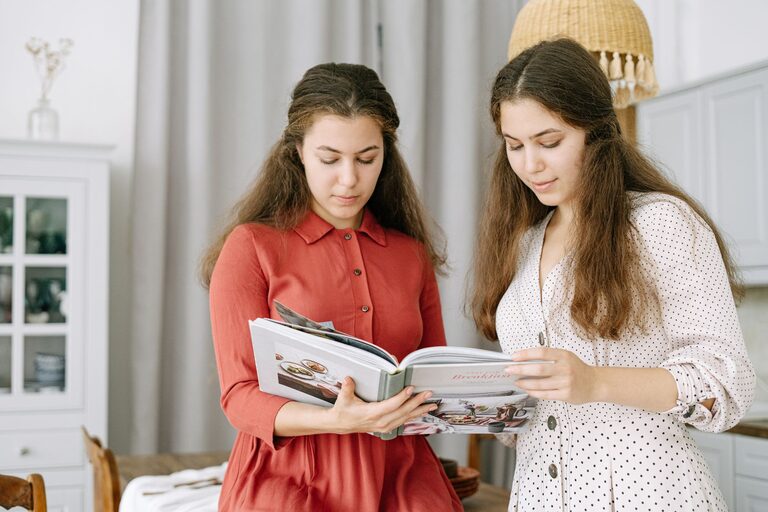
More Than a Collection of Recipes
A community cookbook may look simple at first: a collection of recipes gathered, edited, and printed for local readers. Yet these books often hold much more than instructions for preparing a meal. They preserve memories, family traditions, regional ingredients, and the everyday creativity of the people who make a community feel like home.
Women have played a central role in creating and contributing to many community cookbooks. Their recipes often reflect the rhythm of family life, seasonal celebrations, shared work, and local customs. Whether the book is produced by a neighborhood group, school, church, library, or community organization, each page can offer a personal glimpse into the lives of local women.
These cookbooks celebrate culinary stories by showing that food is not only something people prepare and eat. It is also a way to remember, connect, teach, and pass knowledge from one generation to the next.
Recipes as Personal History
A recipe can carry a story even when only a few words appear beside it. A handwritten note may mention a grandmother who made the dish every winter. An ingredient may point to a local garden, farmers market, or family tradition. Preparation instructions may reveal how cooks adapted recipes to fit the tools and ingredients available at the time.
Community cookbooks give these stories a place to be recorded. A contributor might submit:
– A cake made for birthdays and school celebrations
– A soup prepared during the winter harvest
– A treasured family recipe written from memory
– A dish connected to a wedding, reunion, or holiday
– A practical meal designed for busy households
– A regional recipe using ingredients found nearby
Together, these contributions create a shared history. The recipes may differ in style, but they often reveal common values such as generosity, resourcefulness, hospitality, and care for others.
Making Everyday Work Visible
Much of the work involved in preparing meals happens quietly. Planning, shopping, preserving ingredients, teaching children, and organizing gatherings may not always receive formal recognition. Community cookbooks help make this everyday knowledge visible.
A recipe can show how a local woman managed limited time, stretched available ingredients, or prepared food for a large group. It may demonstrate careful budgeting, creative substitutions, or methods for storing seasonal produce. These details offer a realistic view of daily life and the skills that helped families and communities thrive.
The value of these contributions does not depend on professional cooking experience. In fact, many community cookbooks are meaningful precisely because they include recipes from home cooks. The focus is often on authenticity, usefulness, and personal connection rather than technical perfection.
The Power of the Contributor’s Voice
The strongest community cookbooks often include more than a recipe title and ingredient list. Short introductions, personal notes, photographs, and handwritten instructions allow contributors to speak in their own voices.
A brief note such as “My children always requested this on the first day of school” can transform an ordinary recipe into a treasured memory. A comment about learning to bake from a mother or neighbor can reveal how culinary knowledge moves through relationships.
Editors can protect this sense of personality by inviting contributors to share:
- The origin of the recipe
- The person who taught it to them
- The occasion when it is usually served
- Any changes they have made over the years
- A memory connected to the dish
These details help readers understand the people behind the food. They also encourage future contributors to view their own cooking experiences as worth recording.
Building a Shared Community Portrait
No single recipe can represent an entire community. A collection becomes powerful when it includes many different perspectives and food traditions. Contributors may have different ages, backgrounds, family histories, and cooking styles. Their recipes can reflect the variety that exists within one town or neighborhood.
A well-planned cookbook can invite participation from:
– Longtime residents and newer neighbors
– Younger cooks and older generations
– Home gardeners and local food producers
– Families with different cultural traditions
– People who specialize in baking, preserving, or everyday meals
This range creates a fuller portrait of local life. It also gives readers opportunities to discover common ground while learning about traditions they may not know.
Community cookbooks work best when participation feels welcoming. Clear submission guidelines, accessible events, and encouragement from local groups can help more women share their recipes and stories.
Preserving Knowledge for Future Generations
Cooking knowledge is often passed along through demonstration. A child watches a parent measure ingredients without a measuring cup. A neighbor learns how to preserve fruit by helping in the kitchen. A friend remembers the steps to a dish because she prepared it alongside someone who knew the process well.
Printed cookbooks preserve these lessons in a form that can be revisited. They offer a record for future cooks who may never have met the original contributor. Even when a recipe needs updating for modern ovens or available ingredients, its foundation remains intact.
Digital editions can extend this work. A community group might create an online archive with scanned recipe cards, audio interviews, photographs, or short cooking videos. These additions can provide context while keeping the original cookbook accessible to a wider audience.
Turning a Cookbook Into a Community Project
Creating a community cookbook can be a rewarding project in itself. The process encourages people to gather, exchange memories, and recognize the value of local knowledge.
A successful project may include the following steps:
1. Define the Theme
The group might focus on family favorites, seasonal foods, local ingredients, celebration dishes, or recipes from a particular neighborhood.
2. Invite Contributions
Requests can be shared through libraries, community centers, schools, local businesses, and social groups. Personal invitations are often especially effective.
3. Collect Stories Alongside Recipes
Contributors should be encouraged to include a short memory or note. This gives the final book warmth and personality.
4. Review and Organize the Material
Editors can group recipes by meal, season, ingredient, or type of dish. They should also check measurements and clarify instructions without removing the contributor’s voice.
5. Celebrate the Contributors
A launch event, cooking demonstration, or community tasting can recognize the women whose stories shaped the book.
A Lasting Record of Care and Creativity
Community cookbooks celebrate local women by honoring the knowledge found in ordinary kitchens. They show how recipes can preserve family memories, document local customs, and create connections among neighbors.
Each contribution adds another piece to a larger story. A simple bread recipe may represent years of practice. A stew may recall a shared table. A dessert may connect several generations. When these recipes appear together, they become a record of creativity, care, and belonging.
For readers, community cookbooks offer practical meals and new ideas. For contributors, they provide a lasting place for their voices. And for future generations, they preserve the culinary stories that help explain how a community lived, gathered, and shared its traditions.