

More Than a Recipe on a Card
Family recipes often begin as simple instructions: a list of ingredients, a cooking temperature, or a reminder to “mix until it feels right.” Over time, they become something much more meaningful. They hold memories of busy kitchens, holiday gatherings, Sunday dinners, and lessons shared between generations.
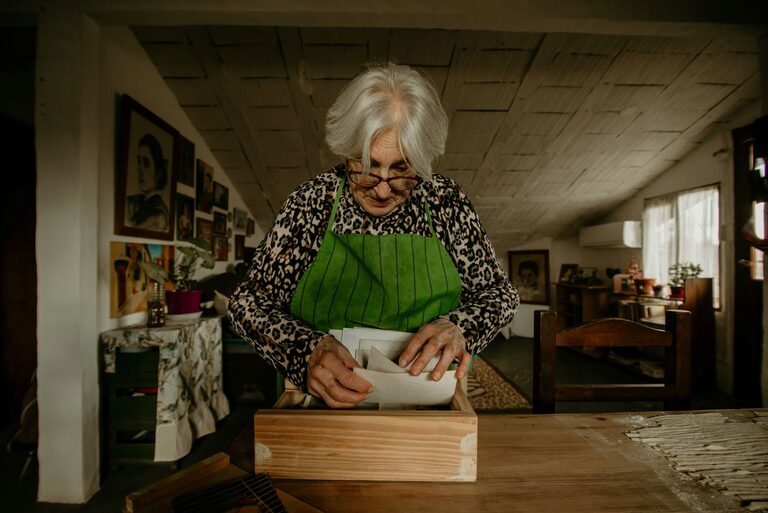
Women over 65 have often been the keepers of these food traditions. Many learned to cook by watching a parent, grandparent, neighbor, or older sibling. Instead of measuring every ingredient, they learned by sight, smell, sound, and touch. Today, they are finding new ways to preserve those recipes so children, grandchildren, and future family members can enjoy them.
The recipes below represent the kinds of dishes that continue to bring families together. Each one carries more than flavor. It also carries a story.
Sunday Sauce That Brings Everyone to the Table
For many families, a slowly simmered tomato sauce is a treasured tradition. One home cook remembers learning the recipe from her mother, who prepared it early on Sunday mornings. The kitchen filled with the aroma of garlic, onions, herbs, and tomatoes long before the rest of the family arrived.
The original recipe was never written down in full. The cook learned how much garlic to use by watching her mother’s hands and knew the sauce was ready when it coated the back of a spoon.
To preserve the recipe, she measured each ingredient during several test batches. She also recorded the details that were not included in the old family instructions:
- Cook the onions slowly until soft, not browned.
- Add herbs gradually and taste as the sauce simmers.
- Let the sauce cook gently for at least an hour.
- Save some pasta water to adjust the texture before serving.
Writing down these small details makes it easier for younger cooks to recreate both the dish and the experience.
A Handwritten Bread Recipe
Homemade bread is another recipe often passed from one generation to the next. One grandmother describes a loaf that appeared at nearly every family celebration. Her mother made it without a timer, relying on the warmth of the kitchen and the feel of the dough.
The recipe card includes measurements, but the most important instructions were added later: “The dough should feel soft but not sticky” and “Give it time to rise.” These notes help explain why the bread may not turn out perfectly on the first try.
When preserving a bread recipe, it helps to include practical information such as:
- The type of flour used
- The preferred size of the baking pan
- How warm the room should be
- What the dough should look and feel like
- How to store the finished loaf
A short video can also be useful. Recording the kneading and shaping process gives future cooks a visual guide that words cannot always provide.
Holiday Cookies With a Familiar Shape
Cookies are often connected to holidays, school events, and family celebrations. One woman remembers making rolled sugar cookies with her sisters every December. They used the same metal cookie cutters year after year, including a star with a slightly bent point.
The recipe itself was straightforward, but the tradition involved everyone. Children helped mix the dough, older family members handled the oven, and the cookies were decorated at the kitchen table.
To preserve a recipe like this, families can save more than the ingredient list. They might include:
- A photograph of the finished cookies
- A picture of the original recipe card
- The names of the cookie cutters used
- Notes about favorite decorations
- A memory from a holiday when the cookies were served
These details turn a standard baking recipe into a family record.
A Soup Made From What Was Available
Some of the most meaningful family recipes were created from simple, affordable ingredients. One longtime cook recalls a vegetable soup made with whatever was available in the garden, pantry, or refrigerator. The ingredients changed with the seasons, but the method stayed the same.
She began with onions and carrots, added broth, and then included vegetables, beans, noodles, or leftover meat. Nothing had to be exact. The soup was adjusted according to taste and what needed to be used.
This type of recipe is especially helpful for teaching flexible cooking. Instead of following a strict formula, future cooks learn to:
- Build flavor with onions, garlic, herbs, or spices.
- Add ingredients according to their cooking time.
- Taste the dish as it cooks.
- Adjust the seasoning before serving.
Preserving the method, rather than only the ingredient list, keeps the recipe useful for changing kitchens and seasons.
Recipes That Teach Patience
Many older family recipes take time. They may involve soaking beans overnight, letting dough rest, simmering a stew, or preparing several components separately. These dishes can teach an important lesson: good food does not always need to be rushed.
One family keeps a recipe for a slow-cooked beef stew that was traditionally prepared on cold weekends. The cook remembers browning the meat in small batches, adding vegetables later, and allowing the dish to cook gently until tender.
When recording a recipe that requires time, it is helpful to note:
- Which steps can be done in advance
- How long each stage usually takes
- What signs show that the food is ready
- How leftovers should be stored and reheated
Clear timing notes can make an older recipe feel more approachable to someone cooking it for the first time.
Preserving the Story Alongside the Recipe
A recipe becomes more valuable when its story is saved with it. Families can ask older relatives questions such as:
- Who taught you to make this dish?
- When was it usually served?
- What did the kitchen look or sound like?
- Did you change the recipe over the years?
- What advice would you give someone making it today?
Answers can be written down, recorded as audio, or captured in a short video. Even a few minutes of conversation may preserve details that would otherwise disappear.
It is also useful to create both a digital and printed copy. A scanned recipe card can be stored in a shared family folder, while a printed version can be placed in a binder. Adding the date, cook’s name, and any recipe variations makes the collection easier to understand in the future.
Passing the Recipes Forward
Preserving a family recipe is only the first step. The best way to keep it alive is to make it together. Invite younger family members to shop for ingredients, prepare part of the dish, or ask questions while an older cook demonstrates the process.
Not every attempt will be perfect, and that is part of learning. A recipe may change slightly as new cooks adapt it to their kitchens and preferences. Those changes do not erase the tradition. They show that the recipe is still being used.
The women who protect these family dishes are preserving more than instructions. They are passing along patience, creativity, hospitality, and memories. A handwritten card, a familiar smell, or a shared meal can connect generations in a way that few other things can. By recording the ingredients, explaining the method, and saving the story, families can make sure these recipes continue to have a place at the table.