

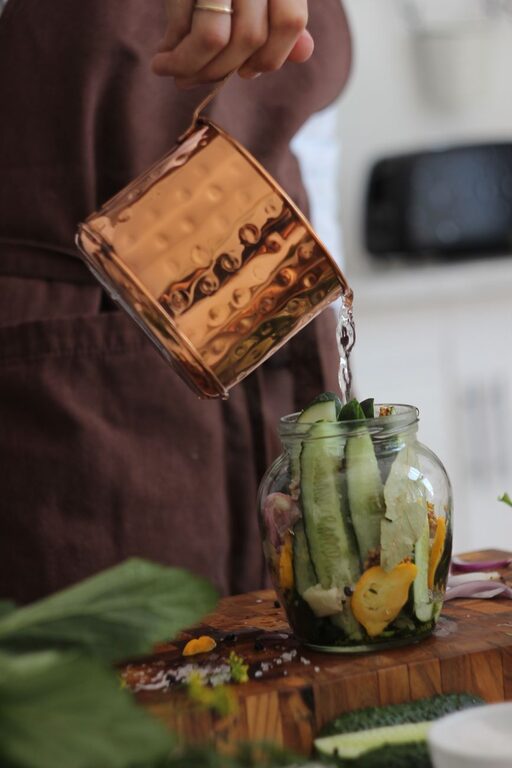
Pickling has moved from a practical kitchen task to a popular creative hobby. For many home cooks, small batch pickling offers a relaxing way to slow down, work with fresh ingredients, and create something delicious with simple tools.
Unlike large-scale preserving projects, small batch pickling is easy to fit into a busy schedule. A few cucumbers, carrots, onions, or radishes can become a flavorful jar of pickles in an afternoon. The process is flexible, affordable, and open to plenty of experimentation.
Why Small Batch Pickling Is Becoming Popular
The renewed interest in pickling is part of a wider appreciation for hands-on food preparation. People are rediscovering the satisfaction of making everyday staples from scratch, whether that means baking bread, growing herbs, or preparing homemade sauces.
Small batch pickling is especially appealing because it does not require a large garden or a fully equipped kitchen. A cutting board, a saucepan, clean jars, and fresh produce are often enough to get started.
The hobby also provides a sense of progress. You select the ingredients, prepare the brine, fill the jars, and wait for the flavors to develop. Each step is straightforward, but the finished result feels personal and rewarding.
A Calming Kitchen Ritual
Pickling can become a mindful routine. Washing vegetables, slicing them evenly, measuring spices, and arranging ingredients in a jar all encourage focused attention. These simple tasks can offer a pleasant break from screens and busy schedules.
The process also has a natural rhythm:
- Choose fresh produce.
- Prepare the vegetables.
- Mix a brine or seasoning blend.
- Pack the jar.
- Allow the flavors to develop.
- Taste and adjust future batches.
Because small batches are manageable, there is less pressure to create a perfect result. A jar can be treated as an experiment rather than a test. If the flavor is too sharp, too sweet, or not spicy enough, the next batch can be adjusted.
Getting Started With Basic Equipment
Beginners do not need a large collection of specialty tools. Start with clean, sturdy equipment that is easy to use and maintain.
Useful items include:
– Glass jars with secure lids
– A sharp kitchen knife
– A cutting board
– Measuring cups and spoons
– A saucepan for preparing brine
– Tongs or a clean spoon
– Labels and a marker
Jars should be washed thoroughly before use. It is also helpful to label each batch with the date and the main ingredients. If several jars are made over time, labels make it easier to compare recipes and remember favorites.
Choosing Ingredients
Almost any crisp vegetable can inspire a pickling project. Cucumbers are a classic choice, but they are only the beginning.
Try experimenting with:
– Carrots
– Red onions
– Green beans
– Radishes
– Cabbage
– Cauliflower
– Jalapenos
– Beets
Fresh produce usually provides the best texture. Farmers markets, backyard gardens, and grocery store sales can all be good sources. Seasonal ingredients may also inspire new combinations throughout the year.
For flavor, consider adding garlic, dill, mustard seeds, peppercorns, bay leaves, ginger, or fresh herbs. A small amount of sugar can balance the sharpness of vinegar, while salt helps bring out the natural taste of the vegetables.
Exploring Simple Flavor Combinations
One of the most enjoyable parts of pickling is creating different flavor profiles. A basic brine can be adapted in many ways, making each batch a small culinary project.
For a bright and traditional flavor, combine vinegar, water, salt, garlic, and dill. For something sweeter, add a little sugar and use the brine with sliced carrots or red onions. Ginger and rice vinegar can create a fresh, lightly sweet combination for vegetables such as cucumbers or cabbage.
Spices can also change the character of a jar. Peppercorns add gentle warmth, mustard seeds provide a savory note, and red pepper flakes bring heat. Add new ingredients gradually so that one flavor does not overpower the rest.
Keeping a simple pickling notebook can make the hobby even more engaging. Record the vegetables, brine measurements, spices, preparation date, and tasting notes. Over time, these notes become a personal recipe collection.
Quick Pickling and Fermented Pickling
There are two broad approaches that home cooks often explore: quick pickling and fermented pickling.
Quick pickling uses a vinegar-based brine. The vegetables are usually ready after a short period in the refrigerator, although the flavor may improve after a day or two. This method is accessible and works well for beginners.
Fermented pickling relies on saltwater and natural fermentation. It takes longer and requires closer attention to cleanliness, temperature, and storage conditions. Anyone trying this method should follow a reliable recipe from a trusted food preservation source and understand the process before beginning.
For many newcomers, quick refrigerator pickles are the easiest place to start. They offer fast results and allow plenty of room for flavor experiments.
Making Pickling a Creative Hobby
Pickling becomes more enjoyable when it is treated as a form of creative expression. Consider choosing a theme for each batch, such as seasonal vegetables, a favorite herb, or a particular color combination.
You can also make the experience social. Invite friends or family members to choose ingredients, compare flavors, or create their own jars. Small jars of homemade pickles can make thoughtful additions to lunch boxes, picnic baskets, and casual gatherings.
Presentation adds another creative element. Simple labels, handwritten recipe cards, or reusable fabric covers can give each jar a personal touch. The result is not only something to eat but also a small project that reflects your style.
Basic Safety and Storage Tips
Clean preparation and proper storage are important parts of any pickling routine. Wash produce carefully, use clean utensils, and follow tested recipes for ingredient proportions. Keep quick pickles refrigerated and use clean utensils when serving them.
Do not rely on smell or appearance alone to determine whether a preserved food is safe. If a jar shows signs of spoilage, such as an unusual odor, leaking lid, mold, or unexpected texture, discard it without tasting.
For shelf-stable canning, use recipes and instructions from a reliable food preservation organization. Pickling methods can vary, and tested guidance helps ensure that acidity, processing time, and storage conditions are appropriate.
The Simple Pleasure of a Homemade Jar
Small batch pickling combines creativity, routine, and flavor in a simple kitchen activity. It encourages people to pay attention to ingredients, learn through experimentation, and enjoy the rewards of homemade food.
Whether you begin with one jar of refrigerator cucumbers or explore seasonal vegetables throughout the year, pickling can become a calming and satisfying hobby. The best part is that every batch offers a fresh opportunity to try something new.