

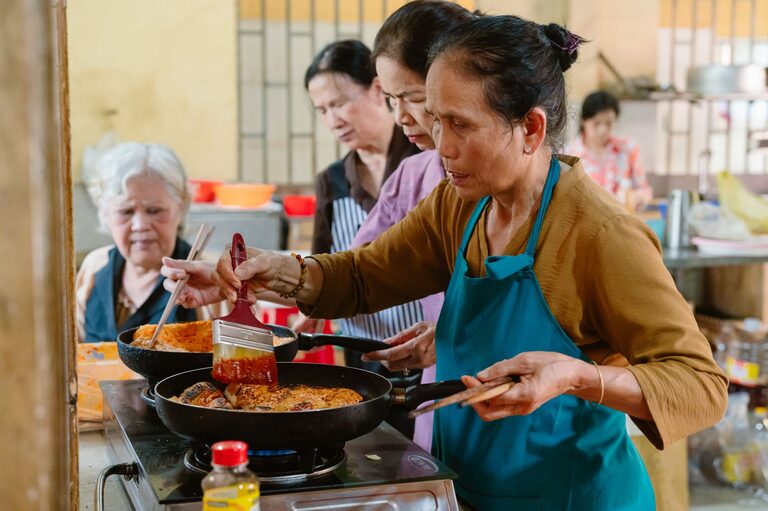
A World of Flavor in the Neighborhood
Traveling the world is not the only way to experience its food traditions. For women ages 65 and older, local cooking classes can offer an enjoyable way to explore global flavors without going far from home. A class at a community center, library, culinary school, or neighborhood kitchen may introduce participants to ingredients, recipes, and customs from places they have always wanted to visit.
These classes are about more than following a recipe. They create opportunities to learn, share stories, and enjoy the simple pleasure of preparing a meal with others. Whether the menu features Thai noodles, Moroccan tagine, Italian pasta, or Caribbean rice and beans, each class can open the door to a new food tradition.
Why Cooking Classes Are a Good Fit
Cooking classes offer a welcoming structure for people who enjoy learning at a comfortable pace. An instructor usually demonstrates each step, explains unfamiliar ingredients, and gives participants time to practice. This can make new recipes feel manageable rather than intimidating.
Many classes also encourage questions and conversation. Participants can talk about favorite meals, family traditions, travel memories, or ingredients they have never tried. The result is often a relaxed setting where everyone brings something to the table, including personal experiences.
For women 65 and older, a local class may provide:
- A chance to learn new recipes and cooking techniques
- An enjoyable activity close to home
- Opportunities to meet people with shared interests
- A way to refresh familiar meals with new flavors
- Inspiration for hosting friends or family
- A positive setting for trying something outside a usual routine
Exploring Global Cuisines One Class at a Time
A series of classes can make it possible to explore several regions without feeling rushed. Each session may focus on one country, city, ingredient, or style of cooking.
Mediterranean Cooking
Mediterranean-inspired classes often include dishes such as Greek salads, Turkish lentil soup, Spanish vegetable dishes, or Italian risotto. Participants may learn how herbs, olive oil, grains, beans, and fresh vegetables work together to create flavorful meals.
Asian-Inspired Dishes
A class focused on Asian cuisines might cover Japanese dumplings, Vietnamese noodle bowls, Indian curries, or Korean vegetable pancakes. These lessons can introduce ingredients such as ginger, sesame oil, coconut milk, rice vinegar, and a variety of spice blends.
Latin American Favorites
Cooking classes may also feature Mexican, Peruvian, Brazilian, or other Latin American traditions. Participants might prepare homemade salsa, empanadas, black bean dishes, or fresh corn-based recipes while learning about the regional customs connected to each meal.
African and Middle Eastern Flavors
Recipes from North Africa, East Africa, and the Middle East can add new dimensions to a home kitchen. Classes might include Moroccan couscous, Ethiopian vegetable stews, Lebanese dips, or Egyptian rice dishes. Fragrant spices, legumes, grains, and fresh herbs are often central to these menus.
Learning Beyond the Recipe
Good cooking classes explain the story behind the food. An instructor may discuss how a dish is traditionally served, which celebrations include it, or how families adapt it from one generation to the next. This background helps participants understand that recipes are connected to place, history, and community.
For example, a lesson on making fresh pasta may include information about regional Italian shapes. A class on curry may compare spice blends from different parts of South Asia. A workshop on dumplings may show how similar foods appear in several cultures, each with its own ingredients and preparation methods.
This kind of context makes the class more memorable. Participants are not simply copying instructions; they are gaining a better appreciation for the people and traditions behind the food.
Finding the Right Local Class
Many organizations offer cooking programs throughout the year. Local options may be available through:
- Community centers and senior centers
- Public libraries
- Continuing education programs
- Independent cooking schools
- Farmers markets and food cooperatives
- Restaurants that host demonstrations
- Cultural organizations and neighborhood groups
When comparing classes, it helps to look at the format and level of instruction. Some sessions are demonstration-only, while others allow participants to prepare the entire meal. A beginner-friendly class may be the best choice for anyone who is unfamiliar with the cuisine.
It is also useful to ask about class size, equipment, parking, seating, and the length of each session. A smaller class may provide more opportunities to work directly with the instructor. Clear information about ingredients can help participants decide whether the menu suits their preferences.
Making the Experience Comfortable and Enjoyable
A thoughtful cooking program should welcome people with different levels of experience. Instructors can support participants by offering printed recipes in an easy-to-read format, explaining steps clearly, and allowing enough time for preparation.
Comfort matters, too. Classes may be more enjoyable when they provide seating during demonstrations, organized workstations, and tools that are simple to handle. Participants can contact the program in advance to ask about the kitchen setup and any available accommodations.
It can also help to attend with a friend. Sharing the experience may make it easier to sign up, and working together can add to the fun. At the same time, many people attend alone and quickly connect with classmates through conversation and teamwork.
Bringing Global Flavors Home
One of the best parts of a cooking class is using the new skills later. Participants can recreate a dish at home, adjust the seasoning, or combine a new technique with familiar ingredients. A global recipe does not have to be prepared exactly as it was in class to be successful.
Simple ways to continue the experience include:
- Keeping a folder of favorite class recipes
- Visiting a local market to find unfamiliar ingredients
- Inviting friends to share a themed meal
- Pairing a recipe with music or decorations from its region
- Trying one new spice, sauce, or cooking method each month
Some participants may enjoy creating a regular cooking group. Classmates can meet at one another’s homes, take turns choosing a cuisine, and compare their results. This turns a single lesson into an ongoing social activity.
A Simple Way to Keep Learning
Cooking classes offer women 65 and older a practical and enjoyable way to discover the wider world close to home. They combine food, creativity, conversation, and cultural learning in one welcoming setting.
A new class does not require advanced skills or extensive travel plans. It begins with curiosity and a willingness to try something different. From a neighborhood kitchen to a local community center, global flavors may be only a short trip away.