

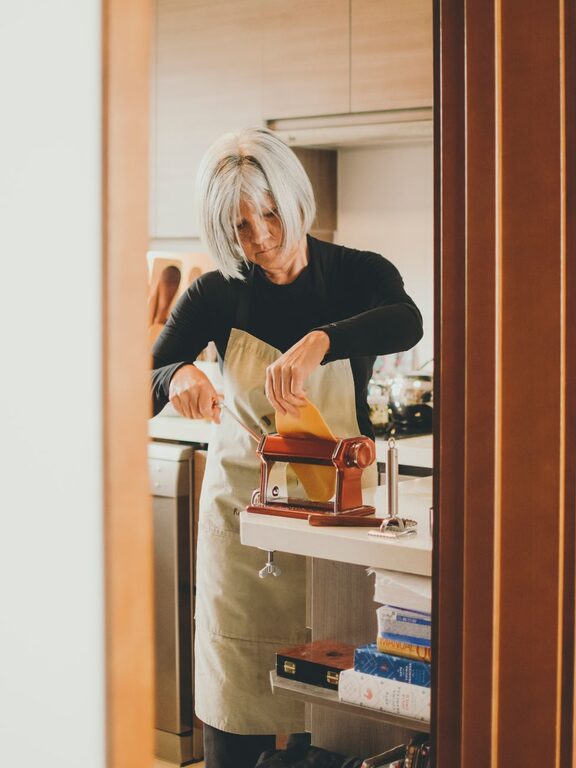
A Timeless Skill Finds a New Audience
Across kitchens, community centers, cooking classes, and online groups, more women over 65 are returning to the simple pleasure of making pasta by hand. For some, it is a familiar tradition from childhood. For others, it is a new skill they are learning for the first time.
This renewed interest is about more than preparing a meal. Handmade pasta offers a chance to slow down, work with the hands, share stories, and create something that can be enjoyed with family and friends. It also gives experienced home cooks an inviting way to explore new flavors and techniques without needing expensive equipment.
The result is a fresh generation of pasta makers who are honoring old methods while making them their own.
From Family Tradition to Personal Discovery
Many women in this age group grew up watching parents or grandparents prepare food without written recipes. A pinch of flour, a few eggs, and a practiced hand were often enough. Pasta making might have been part of weekly meals, holiday gatherings, or special family celebrations.
Over time, busy schedules and convenience foods pushed some of these traditions aside. Now, many home cooks are revisiting them with a different perspective. They may have more time to experiment, or they may simply want to reconnect with familiar flavors.
For others, handmade pasta is entirely new. Cooking classes and online demonstrations have made the process more approachable. A person who never learned the technique at home can now find step-by-step guidance, helpful tools, and a welcoming community of fellow beginners.
This mix of memory and discovery gives the movement its energy. Some pasta makers are recreating recipes they remember. Others are building new traditions from scratch.
Why Handmade Pasta Appeals Today
Handmade pasta has several qualities that make it especially appealing to older home cooks.
It Encourages a Slower Pace
Rolling dough, cutting shapes, and filling pasta require attention. The process cannot be rushed in the same way as opening a package or setting a timer. That slower pace can turn meal preparation into a relaxing activity.
The repetitive motions are also satisfying. Kneading dough and shaping each piece provide a clear beginning and end, making the process feel both creative and productive.
It Supports Creativity
Pasta dough is a simple starting point for many possibilities. Cooks can experiment with shapes, fillings, colors, sauces, and serving styles.
Traditional ribbons such as tagliatelle can be paired with a familiar tomato sauce. Stuffed pasta can be filled with cheese, vegetables, or herbs. Different flours and seasonings can also change the look and texture of the finished dish.
There is no need to master every technique at once. Each new shape becomes an opportunity to learn.
It Brings People Together
Pasta making is often more enjoyable as a shared activity. Friends can gather around a table to mix dough, compare methods, and trade stories. Family members of different generations can work together, with each person contributing at a comfortable pace.
These gatherings create memories before the meal even reaches the table. A slightly uneven noodle or an unusual ravioli shape becomes part of the story.
Learning in the Digital Age
Although handmade pasta is rooted in tradition, many modern pasta makers are learning through digital tools. Video tutorials allow beginners to watch a technique several times before trying it themselves. Online communities offer advice about dough consistency, shaping, drying, and storage.
Social media has also changed the way people share their work. A home cook can post a photo of a colorful pasta design, ask for suggestions, or discover recipes from another region. This exchange makes the craft feel open and current rather than fixed in the past.
Digital learning also helps people adapt recipes to their own kitchens. A tutorial may demonstrate a pasta roller, while another cook may use a rolling pin. The important lesson is often the movement and texture, not owning a particular tool.
Helpful Tools for Beginners
A large collection of equipment is not necessary. Many people begin with items already found in a typical kitchen.
Useful basics include:
– A large mixing bowl
– A clean work surface
– A rolling pin or pasta machine
– A sharp knife or pastry cutter
– A fork or bench scraper
– A clean towel for covering dough
– A tray or drying rack
A pasta machine can make thin sheets easier to achieve, but hand-rolled pasta has its own charm. The choice often depends on comfort, available space, and the type of pasta being prepared.
Simple shapes are a good place to start. Wide ribbons, hand-cut noodles, and small pieces shaped with the fingers do not require advanced equipment. Once the dough feels familiar, cooks can try filled pasta or more decorative forms.
A Flexible Approach to Recipes
One reason handmade pasta continues to attract attention is its flexibility. The basic dough can be adjusted to suit different meals, ingredients, and preferences.
Some cooks prefer an egg-based dough for a soft, rich texture. Others enjoy dough made with water and flour, which is common in several traditional pasta styles. Semolina, all-purpose flour, and other varieties can each produce a different result.
Sauces can be equally adaptable. Handmade noodles work well with:
– Fresh tomato and herbs
– Butter and grated cheese
– Roasted vegetables
– Beans and greens
– Mushroom sauces
– Simple olive oil and garlic combinations
This versatility makes pasta suitable for casual lunches, family dinners, and special occasions. It also encourages cooks to use ingredients they already have rather than follow a rigid formula.
Passing Skills to the Next Generation
Many women 65 and older see pasta making as a way to share knowledge. Teaching a child, grandchild, neighbor, or friend can keep familiar techniques alive while allowing them to evolve.
A lesson might begin with a family story: who first made the dish, when it was served, or how the recipe changed over time. The next generation may then add its own ideas, such as new fillings, different sauces, or creative shapes.
This exchange works in both directions. Younger cooks may introduce new tools and online resources, while older cooks often contribute patience, practical judgment, and a strong understanding of how food brings people together.
The goal is not to preserve every detail exactly as it was. It is to keep the spirit of the tradition active and useful.
Making Pasta Part of Everyday Life
Handmade pasta does not have to be an occasional project. Some cooks prepare a large batch and freeze portions for later. Others set aside one afternoon each month for a shared pasta-making session.
A regular routine can make the process feel manageable. Starting with a small amount of dough is often enough for one or two servings. As confidence grows, cooks can make more and explore new styles.
Keeping a notebook can also be helpful. Notes about flour, resting time, dough texture, and favorite sauces make it easier to repeat successful results. Photos can serve as a visual record of progress.
The Lasting Appeal of Handmade Pasta
The renewed interest in handmade pasta among women 65 and older reflects a broader appreciation for practical creativity and meaningful connection. It combines a hands-on activity with a delicious result, while leaving room for memory, experimentation, and conversation.
Whether a recipe comes from a grandmother, a cooking class, or an online tutorial, each batch becomes personal once it is shaped by the cook’s own hands.
For this new generation of pasta makers, the kitchen is not simply a place to prepare food. It is a workshop, a meeting place, and a link between generations. One sheet of dough at a time, an old craft is finding new life.