

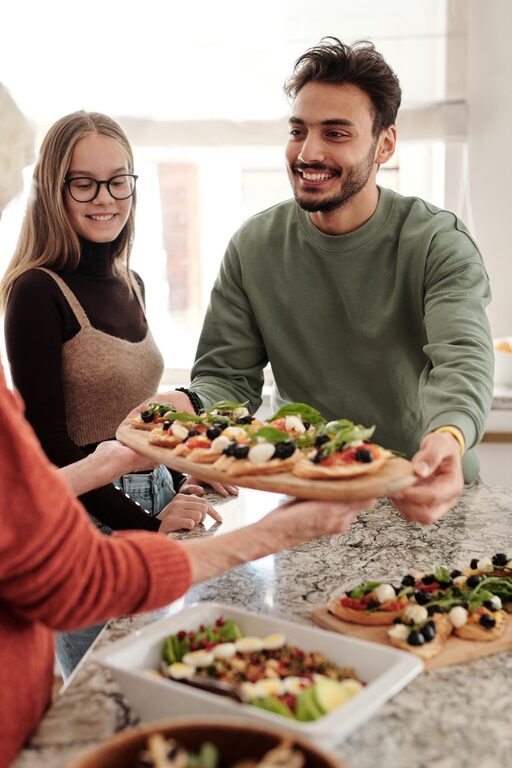
Recipe-swapping circles are becoming a popular way for people to connect, share ideas, and enjoy homemade food. The concept is simple: a group of people exchanges favorite recipes, cooking tips, and sometimes prepared dishes. Some circles meet in person, while others use group chats, email, or online communities.
Unlike a formal cooking class, a recipe-swapping circle is usually relaxed and flexible. Members can share family favorites, quick weeknight meals, baking projects, seasonal dishes, or recipes inspired by different cultures. The focus is less on perfect results and more on participation, conversation, and discovery.
What Is a Recipe-Swapping Circle?
A recipe-swapping circle is a group organized around sharing food ideas. Each member may bring one or more recipes to exchange, discuss a recent cooking success, or explain how they adapted a dish.
A circle can take several forms:
– A monthly gathering at someone’s home
– A neighborhood potluck with printed recipes
– A workplace or community group
– An online recipe exchange
– A themed club focused on baking, slow-cooker meals, or seasonal produce
– A family tradition that brings relatives together
Some groups exchange only written recipes. Others prepare small samples so members can taste the results. The format can be as casual or organized as the group prefers.
Why Are These Groups Becoming Popular?
They Create Simple Opportunities to Connect
Modern schedules can make it difficult to spend meaningful time with others. A recipe-swapping circle gives people a clear reason to gather without requiring an elaborate event.
Cooking offers a natural starting point for conversation. Members can talk about ingredients, traditions, favorite kitchen tools, and everyday routines. Even people who do not know one another well can find common ground through food.
The activity also works for different ages and experience levels. A beginner can share a simple pasta dish, while an experienced cook can contribute a more advanced baking recipe. Everyone has something useful to offer.
They Encourage Creativity
Recipes are useful guides, but they also invite personal choices. One person may replace an ingredient, adjust the seasonings, or change the cooking method. Sharing these variations can inspire others to experiment.
A recipe circle can become a place to explore new ideas without the pressure of producing a restaurant-quality meal. Members may discover new flavor combinations, presentation styles, or ways to use familiar ingredients.
The creative process can extend beyond cooking. Participants might design attractive recipe cards, create themed menus, or build a shared digital collection.
They Make Cooking Feel More Manageable
Cooking at home can sometimes feel repetitive. A recipe-swapping circle introduces variety while keeping the process approachable. Instead of searching through countless recipes alone, members receive suggestions from people they know.
Personal recommendations are often easier to trust and understand. A member can explain how long a recipe took, whether it reheats well, or which steps require extra attention. These practical details can make trying something new less intimidating.
Recipe exchanges can also highlight simple meals that fit busy schedules. Quick breakfasts, make-ahead lunches, and easy dinners are often especially popular topics.
They Preserve Personal and Family Traditions
Recipes often carry memories. A handwritten card, a holiday dessert, or a familiar soup can connect people to family history and meaningful occasions.
Sharing these recipes helps preserve traditions that might otherwise be forgotten. Members can add notes about where a dish came from, who used to prepare it, or when it is traditionally served.
At the same time, recipe circles allow traditions to evolve. A classic dish may be adjusted for modern kitchens, different ingredients, or changing household preferences.
How a Recipe-Swapping Circle Usually Works
There is no single correct structure, but a few simple guidelines can help a group get started.
Choose a Comfortable Group Size
A small group of six to twelve people is often easy to manage. It gives everyone a chance to participate without making the conversation difficult to follow.
Larger groups can work well too, especially online or at community events. In that case, organizers may divide participants into smaller teams or use a shared folder for recipes.
Pick a Theme or Leave It Open
Some groups choose a theme for each meeting, such as:
– Comfort food
– One-pot meals
– Baked goods
– Seasonal ingredients
– Family recipes
– Packed lunches
– Recipes with five ingredients or fewer
Themes can make planning easier, but an open format allows members to share whatever they are enjoying. Groups may alternate between themed and open meetings.
Decide What Members Should Bring
Participants might bring:
– One printed recipe for each person
– A small prepared sample
– A digital copy sent before or after the meeting
– A short story about the recipe
– Helpful substitutions or storage notes
It is useful to set expectations in advance. If prepared food is involved, members should know how much to bring and whether the gathering is a full meal or simply a tasting.
Keep the Conversation Welcoming
A recipe-swapping circle should not feel like a competition. People have different budgets, schedules, equipment, and cooking experience. The goal is to exchange ideas, not judge results.
Helpful conversation topics include:
– What inspired the recipe
– How long it takes to prepare
– Which ingredients can be changed
– How the dish can be served
– Whether it can be prepared ahead
– What the cook learned while making it
This approach makes it easier for everyone to participate, including people who are still building confidence in the kitchen.
In-Person and Online Options
In-person circles offer conversation, shared meals, and the enjoyment of tasting new dishes. They can be held in homes, community rooms, libraries, or other suitable spaces.
Online circles are convenient for people who live far apart or have limited free time. A group can share recipes through email, messaging apps, or a private online forum. Members might post photos, ask questions, and report back after trying a recipe.
A blended format can work especially well. For example, members may share recipes digitally each month and meet in person once a season.
Tips for Starting Your Own Circle
If you want to create a recipe-swapping group, begin with a few people who enjoy trying new foods or sharing cooking ideas. Keep the first gathering simple and avoid too many rules.
A practical starting plan includes:
- Invite a small group of friends, relatives, coworkers, or neighbors.
- Choose a meeting schedule, such as once a month.
- Select a theme or allow any recipe.
- Decide whether members will bring samples, recipe cards, or both.
- Create a shared digital folder for the growing collection.
- Ask for feedback after the first meeting.
- Adjust the format based on what participants enjoy.
It can also help to assign a light theme to each meeting, such as “favorite breakfast,” “recipes from childhood,” or “easy meals for busy days.” Themes provide structure while leaving plenty of room for creativity.
More Than an Exchange of Recipes
Recipe-swapping circles appeal to people because they combine several enjoyable activities in one. They offer social time, creative expression, practical learning, and the pleasure of sharing food.
The recipes are important, but they are only part of the experience. The real value often comes from the stories, encouragement, and connections that develop around them. A simple exchange can grow into a regular tradition that brings people together throughout the year.
For anyone looking for a friendly, low-pressure social hobby, a recipe-swapping circle is an inviting place to start.