

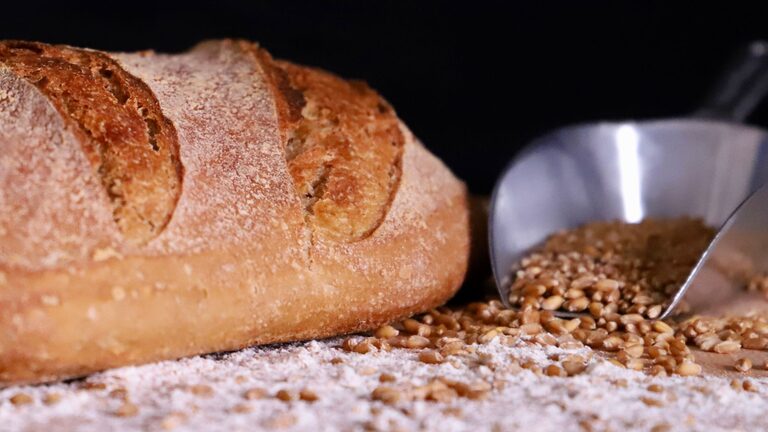
Heritage grains are finding a new audience in home kitchens. Once associated mainly with regional mills, traditional bakeries, and specialty food shops, these grains now appear in everything from rustic loaves to cookies, pancakes, crackers, and cakes.
Their appeal goes beyond novelty. Heritage grains can bring new flavors, colors, and textures to familiar recipes. They also invite bakers to slow down, learn about ingredients, and explore how flour is produced.
What Are Heritage Grains?
Heritage grains are traditional varieties that have been grown and milled for generations. Some are closely related to modern wheat but have different characteristics in the field and in the kitchen. Common examples include:
– Einkorn
– Emmer
– Spelt
– Khorasan
– Red fife
– Turkey red wheat
– Sonora wheat
– Rye and other regional grain varieties
The term “heritage grain” does not always have one strict definition. In general, it refers to older or regionally important varieties that are valued for their history, distinct flavor, or connection to traditional farming.
These grains are different from highly standardized modern wheat varieties, which are often selected for consistent performance in large-scale baking. Heritage grains can be less predictable, but that variation is part of their character.
Why Home Bakers Are Interested
Several home baking trends have helped heritage grains move into the spotlight.
Flavor and texture
Heritage grain flours often have noticeable flavor differences. Depending on the variety and how it is milled, a flour may taste nutty, earthy, sweet, grassy, or pleasantly rich. These flavors can add depth without requiring extra ingredients.
The texture can vary as well. A loaf made with heritage wheat may have a tender crumb, a slightly chewy bite, or a denser, more rustic structure. In cookies and cakes, the flour can create a hearty texture that pairs well with chocolate, spices, fruit, and nuts.
Interest in traditional methods
Many bakers are becoming more curious about the full process behind their food. Buying flour from a local mill, learning about a grain’s growing region, or trying a naturally fermented loaf can make baking feel more connected to place and tradition.
This does not mean every heritage grain recipe needs to be complicated. Even a simple batch of muffins can be a way to explore a new flour.
More variety in the pantry
Baking with the same all-purpose flour is convenient, but experimenting with different grains can make everyday recipes feel fresh. Heritage flours offer a simple way to add variety without changing the basic shape of a recipe.
How Heritage Flours Behave
One of the most important lessons for beginners is that heritage flours may not behave exactly like standard white flour.
They can absorb liquid differently, develop gluten at a different rate, or produce a softer or more delicate dough. Some varieties become sticky when overmixed, while others benefit from a longer resting period.
For this reason, it is often best to begin with a partial substitution. Replace 10 to 25 percent of the flour in a familiar recipe with a heritage grain flour. This lets you observe how the dough changes while keeping the recipe relatively reliable.
As you gain experience, you can increase the proportion or try recipes designed specifically for that grain.
Tips for Baking With Heritage Grains
Start with fresh flour
Freshly milled flour can have a more pronounced aroma and flavor. Look for flour from a reputable mill and check the milling date when available. Whole grain flour contains more of the grain’s natural components, so it may not stay fresh as long as refined flour.
Store flour in an airtight container in a cool, dry place. For longer storage, especially with whole grain flour, refrigeration or freezing can help preserve quality.
Weigh your ingredients
A kitchen scale makes it easier to work with specialty flours. Measuring by weight provides more consistent results, especially when a flour absorbs water differently from the flour used in the original recipe.
Watch the dough, not only the clock
Recipe timing is useful, but dough texture is often a better guide. A bread dough may need a little more water, while a cake batter may need less mixing than expected.
Look for signs such as:
– A dough that feels soft but not soupy
– A batter that flows easily without looking watery
– A bread dough that stretches gently before tearing
– A finished loaf with an even, lightly springy crumb
Small adjustments are normal. Add water gradually, or reserve a spoonful of liquid until you see how the flour comes together.
Avoid overmixing
Some heritage flours produce their best texture with gentle handling. Overmixing can make cakes tough or cause delicate doughs to lose structure. Follow the recipe’s mixing instructions and stop as soon as the ingredients are evenly combined.
Where to Use Heritage Grains
Heritage grains work well in both classic and creative recipes.
Bread and rolls
Start with a blend of heritage flour and bread flour. This approach can provide the grain’s flavor while helping the dough maintain enough structure to rise well. Rustic rolls, sandwich loaves, and flatbreads are all approachable options.
Pancakes and waffles
Pancakes are forgiving and make a convenient first project. Spelt, einkorn, or emmer flour can add a warm, nutty flavor. Serve them with fruit, yogurt, or a simple spread to let the grain remain part of the flavor profile.
Cookies and bars
A portion of whole grain or heritage flour can add character to chocolate chip cookies, shortbread, oat bars, and fruit-filled squares. Pairing the flour with brown sugar, cinnamon, toasted nuts, or dark chocolate can create a balanced result.
Cakes and muffins
For tender baked goods, begin with a modest substitution. Heritage flour can work especially well in banana bread, apple muffins, spice cake, and coffee cake, where its flavor complements fruit and warm spices.
A More Thoughtful Baking Routine
Using heritage grains does not require a complete change in technique. The most useful approach is to treat each flour as a new ingredient rather than assuming it will act exactly like all-purpose flour.
Read the label, note whether the flour is whole grain or sifted, and keep track of adjustments as you bake. Record the amount of liquid, mixing time, resting period, and final texture. These simple notes can help you repeat a successful recipe.
It is also worth exploring the story behind the grain. A local mill, farmers market vendor, or regional bakery may offer information about where a variety was grown and how it was milled.
The Lasting Appeal of Heritage Grains
Heritage grains have become popular because they offer more than a change in flour. They bring variety, flavor, and a sense of connection to the baking process.
For home bakers, the best way to explore them is gradually. Try one flour in a familiar recipe, make careful observations, and adjust the method over time. Whether used in a chewy loaf, a tender muffin, or a crisp cookie, heritage grains can make everyday baking more interesting while keeping traditional ingredients in the center of the kitchen.