

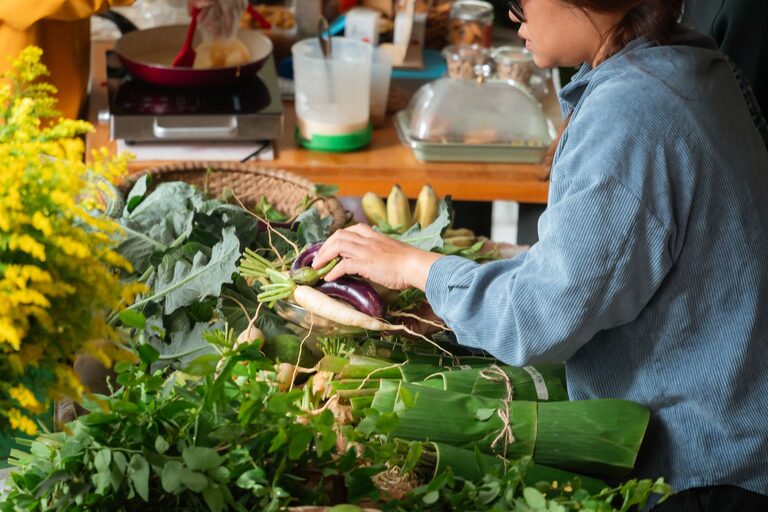
Retirement can bring more time for hobbies, including cooking. For many retired home cooks, farmers markets have become a source of inspiration rather than just a place to shop. Fresh vegetables, herbs, fruit, eggs, bread, and local specialties can lead to simple meals, new recipes, and enjoyable kitchen experiments.
Instead of planning every dish before shopping, these cooks often start with what looks best at the market. A basket of tomatoes may become a fresh sauce, a warm tart, or a colorful salad. A bundle of greens can turn into soup, a filling for sandwiches, or a side dish with eggs.
This flexible approach makes cooking feel less like a routine and more like a creative project.
Shopping With an Open Mind
One of the biggest changes many retired home cooks make is letting the market guide the menu. Rather than arriving with a strict list, they look for ingredients that are fresh, affordable, and interesting.
A useful market visit may include:
– One or two main vegetables
– A seasonal fruit
– Fresh herbs
– A protein such as eggs, beans, or locally raised meat
– Bread, cheese, or another prepared item
– A small ingredient that is new or unfamiliar
This method keeps meals varied without requiring a complicated plan. It also encourages cooks to ask vendors questions. Farmers and market sellers can often explain how to store an ingredient, when it is at its best, and which cooking methods work well.
A simple question such as “How do you like to prepare this?” can lead to an entirely new meal idea.
Building Meals Around One Great Ingredient
Creative cooking does not always require a long list of ingredients. Many retired home cooks begin with one standout market find and build around it.
For example, fresh summer corn can be used in several ways:
– Stirred into a warm grain bowl
– Added to a tomato and bean salad
– Folded into a savory pancake
– Mixed into a simple soup
– Served with herbs and a little cheese
The same idea works with other seasonal foods. A basket of peppers can become a roasted vegetable spread, while a bunch of carrots can be roasted, grated into a slaw, or blended into soup.
Starting with one ingredient helps keep the meal focused. It also makes it easier to notice the natural flavor and texture of fresh produce.
Turning Market Finds Into Flexible Dishes
Many experienced home cooks rely on a few flexible dish formats. These recipes are less about exact measurements and more about combining ingredients in a dependable way.
The Everything Frittata
Eggs are a useful way to bring together small amounts of vegetables, herbs, and cheese. Cook chopped vegetables in a skillet, add beaten eggs, and finish the dish on the stovetop or in the oven.
Good combinations include:
– Zucchini, basil, and goat cheese
– Potatoes, onions, and parsley
– Greens, mushrooms, and cheddar
– Tomatoes, peppers, and fresh herbs
A frittata works for breakfast, lunch, or dinner. Leftovers can also be served in a sandwich or alongside a salad.
The Seasonal Grain Bowl
Cooked grains such as rice, barley, farro, or quinoa can serve as a base for almost any market combination. Add roasted or sautéed vegetables, a protein, herbs, and a simple dressing.
A grain bowl might include roasted squash, chickpeas, greens, and a lemon dressing. Another version could combine tomatoes, cucumbers, beans, and a spoonful of yogurt.
Because the ingredients can be prepared separately, each person can assemble a bowl to suit their preferences.
The Market Vegetable Soup
Soup is one of the most practical ways to use a mixture of vegetables. Onions, carrots, celery, greens, beans, potatoes, and tomatoes can all work together in one pot.
The flavor can change with herbs and seasonings. Basil may give a soup a fresh summer character, while thyme or rosemary can make it feel more comforting. A piece of market bread and a simple garnish can turn the soup into a complete meal.
Soup also makes it easy to use vegetables that are slightly past their peak, as long as they are still fresh and suitable for cooking.
Making Small Batches Feel Special
Retired home cooks may be preparing meals for one or two people instead of a large family. Farmers markets often sell attractive quantities, but a full basket of produce can still be more than needed.
Small-batch cooking helps prevent waste while keeping meals interesting. A few strategies can help:
– Buy one bunch of greens instead of several
– Share larger items with a friend or neighbor
– Choose ingredients that work in more than one dish
– Cook only part of a vegetable and save the rest for another meal
– Freeze extra fruit, herbs, or prepared sauces when appropriate
A small amount of roasted vegetables can be served with eggs one day and added to a sandwich the next. Fresh herbs can be used in a salad, mixed into a spread, and added to soup.
This kind of planning creates variety without requiring a completely different shopping trip for every meal.
Using Herbs as a Creative Shortcut
Fresh herbs can make simple food taste distinctive. They are especially useful for cooks who want to experiment without buying many extra ingredients.
Parsley can brighten beans, potatoes, and grain salads. Mint pairs well with peas, cucumbers, and fruit. Dill works with eggs, vegetables, and creamy sauces. Cilantro can add a fresh note to beans, corn, and roasted vegetables.
One simple technique is to make an herb mixture. Chop a handful of herbs and combine them with olive oil, a little vinegar or citrus juice, and a pinch of salt. The mixture can be spooned over vegetables, grains, eggs, or bread.
Herb butter is another option. Softened butter mixed with chopped herbs can be used on toast, corn, roasted potatoes, or cooked vegetables.
Finding Inspiration in Market Conversations
Farmers markets offer more than ingredients. They also provide ideas through conversations, demonstrations, and familiar seasonal patterns.
A vendor may recommend roasting a vegetable that is usually steamed. Another shopper may mention a favorite way to preserve fruit or combine greens. These brief exchanges can help home cooks move beyond familiar recipes.
Many retired cooks also trade ingredients and ideas with friends. A neighbor with extra tomatoes may exchange them for herbs or homemade bread. A small cooking group can choose one market ingredient each week and compare the meals everyone creates.
The result is a social way to stay curious and connected through food.
Embracing Imperfect Results
Creative cooking does not always produce a perfect dish. A sauce may be too thick, a vegetable may cook faster than expected, or a new combination may not become a favorite.
That is part of the process. Experienced home cooks often treat mistakes as useful information. A dish that needs more texture might benefit from toasted nuts or crunchy bread. A bland soup may need more herbs, acidity, or seasoning. A leftover mixture may work better as a filling than as a side dish.
The goal is not to create restaurant-style meals every time. It is to make good use of fresh ingredients and enjoy the act of preparing them.
A Simple Weekly Market Routine
A relaxed routine can make farmers market cooking easier:
- Check what is already in the kitchen.
- Choose two or three meals that can share ingredients.
- Shop for fresh produce and one or two special items.
- Prepare a basic component, such as cooked grains, roasted vegetables, or soup.
- Use herbs, sauces, and toppings to change the flavor throughout the week.
- Save notes about combinations worth making again.
This approach offers structure without making meals repetitive.
For retired home cooks, farmers market shopping is often about more than freshness. It is a chance to explore, use familiar skills in new ways, and create meals shaped by the season. With a few flexible recipes and a willingness to experiment, an ordinary market basket can become several memorable dishes.